
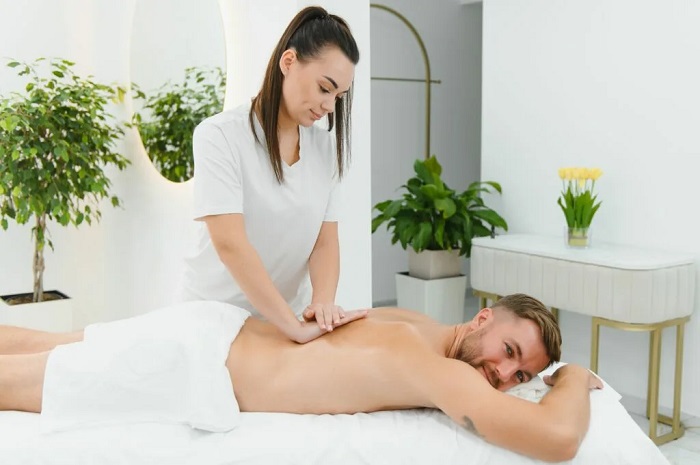
Nuru massage is a specialized body-relaxation technique based on gliding across the skin using a unique gel, which creates a soft, continuous point of contact. This type of session helps to relieve muscle tension, improve overall well-being, and foster a sense of profound rest by combining tactile harmony with a gentle approach to the body.
Key benefits of Nuru massage include a significant reduction in stress, heightened sensitivity, improved blood circulation, and recovery from emotional exhaustion. For those seeking an outcall service—such as an outcall nuru massage manhattan – this option offers convenience and privacy, ensuring a personalized experience in a comfortable setting.
The Origins of Nuru Massage
Nuru massage is rooted in Japanese bathing traditions and bodywork culture, which place great emphasis on purification, relaxation, and a mindful, attentive approach to a partner’s physical sensations. A defining feature of the technique is the use of a specialized, slippery gel that facilitates fluid, seamless movements while eliminating the risk of uncomfortable friction.
Over time, the practice spread beyond Japan and evolved into a form of relaxation massage characterized by gentle contact and continuous, flowing motions. In its modern context, the technique is defined by core principles: extreme delicacy, controlled pressure, and a primary focus on the comfort of the person receiving the massage.
Principles of a Pain-Free Experience
A pain-free Nuru massage is achieved through a combination of proper preparation, moderate pressure, and ongoing feedback.
If sharp pain, a burning sensation, or numbness occurs, it is a signal to stop, adjust the angle, reduce the pressure, or switch to a different technique—experiencing discomfort is not normal during a relaxation-focused session.
To ensure that movements remain gentle and safe, it is important to follow a few basic principles:
- Preparing the body: A brief warm-up using light, stroking movements helps muscles relax and reduces sensitivity to pressure.
- Ensuring sufficient glide: Apply a generous amount of gel so that contact remains smooth, rather than pulling or dragging the skin.
- Gradual progression: Increase intensity slowly, moving from superficial strokes to deeper ones only when the person is completely comfortable.
- Neutral joint handling: Avoid sudden jerks, twisting motions, or abrupt, wide-ranging movements; focus instead on long, sweeping strokes along the length of the muscles.
- Feedback: Regularly checking in—asking, “Is this okay?”—and adjusting the pressure based on the person’s experience is more important than strictly following any specific routine.
Sequence of Actions and Safe Zones
The practice generally centers on continuous, slow movements and a symmetrical approach: start with larger areas (such as the back or thighs), then move to areas that require greater delicacy (such as the lower back or neck). Perform movements unhurriedly, maintaining steady breathing and a stable stance so that the applied pressure remains consistent rather than suddenly becoming too intense.
To maintain comfort, follow a simple rule: avoid applying direct, heavy pressure to bony prominences or the spine; never work through sharp pain; and do not attempt to “force” tension away through sheer strength. A gentle, controlled touch and continuous gliding motion help maintain the relaxing nature of the procedure, ensuring that the sensations remain pleasant and predictable.